





A museum on the city outskirts is set to take on the restoration of a piece of aviation history.
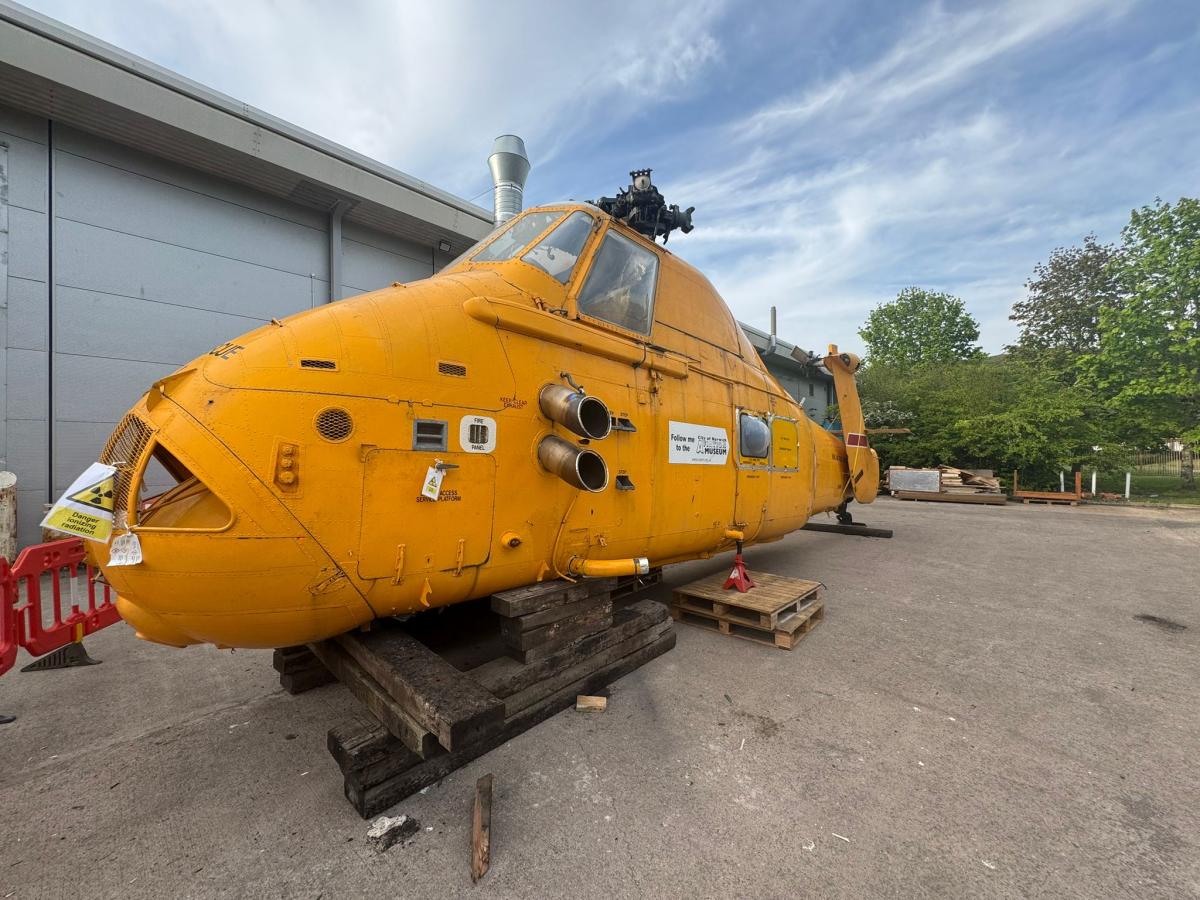
The City of Norwich Aviation Museum has acquired a Westland Wessex helicopter from the Museum of Wales.
It plans to use the new acquisition to help tell the story of a tragic air-sea rescue from RAF Coltishall, near Wroxham.
Although the aircraft was never used in action, it is an example of the kind that was and played a role in its development.

The helicopter was built around 1958-59 and was used for trials. It is one of the oldest of the pre-production models and was the fifth ever model built.
Originally assigned to the Royal Navy, it spent time with the RAE but was never used as a squadron aircraft.
It was used to develop later models of the Wessex and is believed it assisted in developing autopilot systems.

Steve Day, 56, a trustee at the museum, said: "To be given the opportunity to take it in and restore it and display it, to be able to tell the story to the public - that is the important thing.
“Our plan is to restore it but there are not many spares. It is a restoration project which will take about five years.
“It will sit on the field with our Whirlwind to tell the story of air-sea rescue in Norfolk."
The Westland Wessex has arrived at the museum after being transported from Wales.
THE WESTLAND WESSEX
The origin of the helicopter lies in the cold war period when it was in service with the Royal Navy from 1961.
Its original use was in anti-submarine operations but it was also used for search and rescue and as a general workhorse aircraft.
The Wessex was one of the first turbine powered helicopters and had powerful engines which increased its payload while lowering noise and vibration.
In 1988 the Royal Navy replaced the Wessex with the Sea King.

RAF COLTISHALL SEA-AIR RESCUE
Search and rescue helicopters were once based at RAF Coltishall.
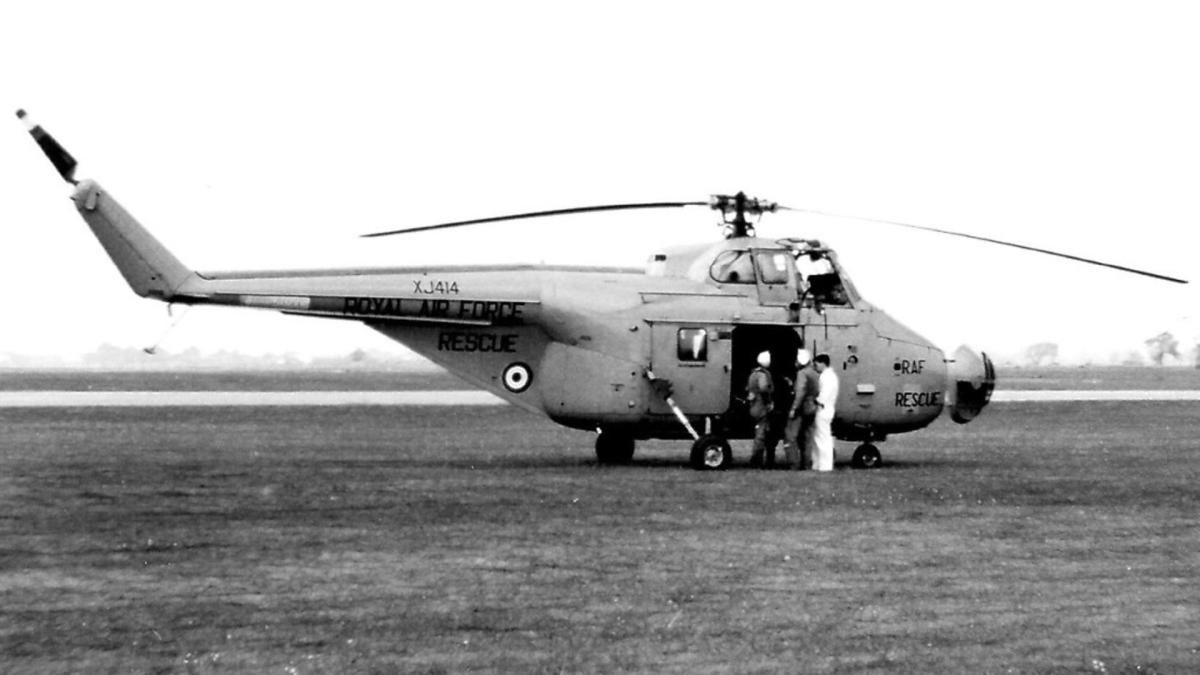
On Thursday, June 22 1967, the Whirlwind helicopter XJ414 was heading back from an exercise at Pakefield, near Lowestoft, when a rotor blade became detached, leading to the craft plunging into the sea 160 yards off Caister beach.

The three crewmen killed were 47-year-old pilot Flt Lt Archie Gavan - the commanding officer of the search and rescue D flight at RAF Coltishall and who had been a Battle of Britain Spitfire pilot - Flt Lt Gil Pink and master navigator Harry Crossman.
RAF Coltishall was one of the longest commissioned airfields in the UK until it closed in 2006.
The site played a crucial role during the Second World War as a fighter base.


Share