



Great Yarmouth, Cromer and Hunstanton may be the beaches most people think of when you say Norfolk, but there are many more to visit.
The county has a scattering of quiet, under‑the‑radar beaches where you can walk for ages with just the sound of the waves and seabirds for company.
Here are five remote beaches in Norfolk to enjoy this spring and summer.
1. Holme

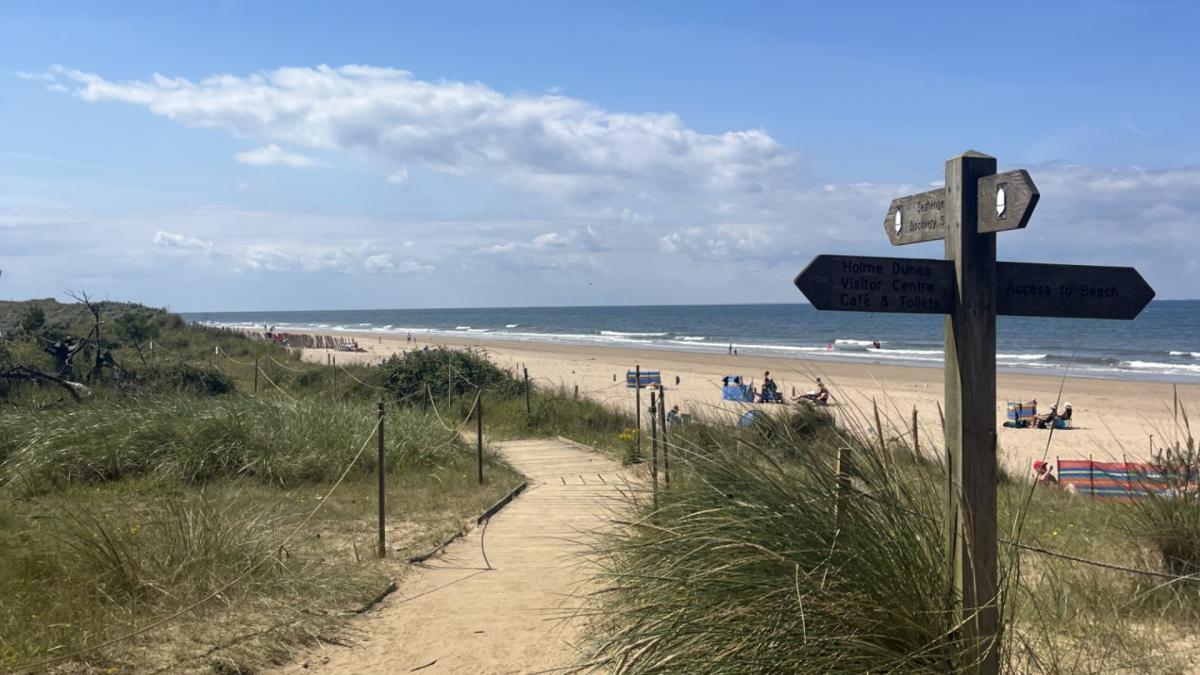
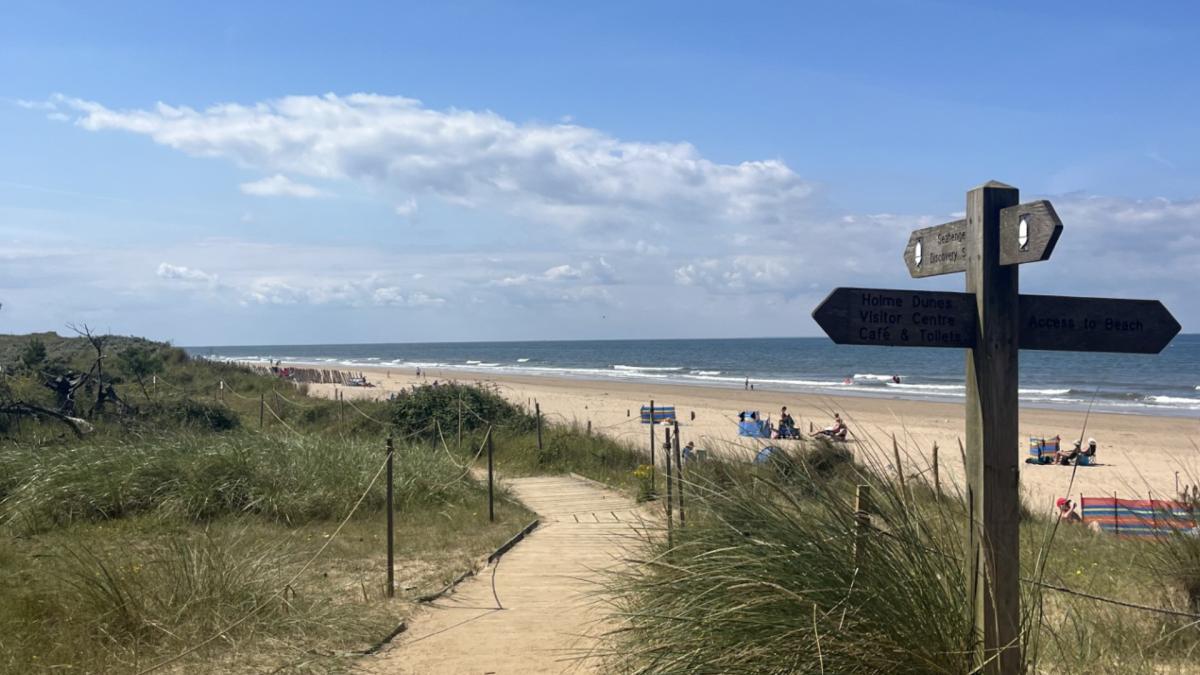
Holme beach on the north Norfolk coast is known for being one of the quieter stretches of sand, even in summer.
It sits away from the busier resort towns, with access via narrow lanes and boardwalks over the dunes.
The beach tends to attract walkers, birdwatchers and local dog owners rather than big crowds.
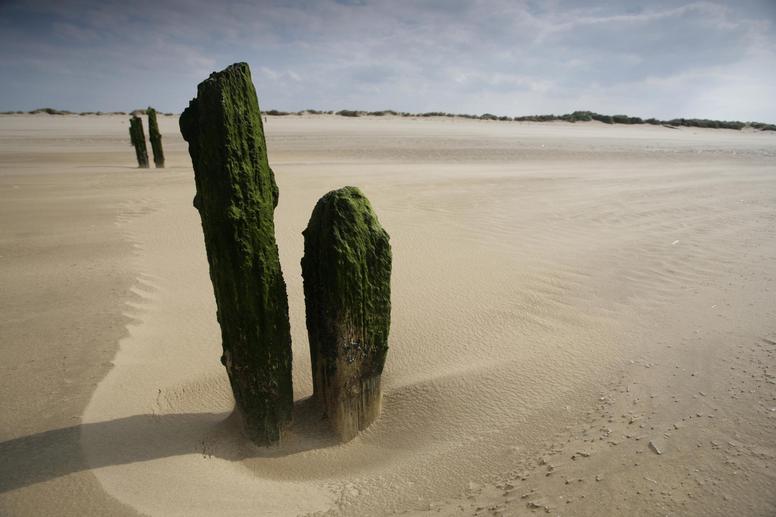
The wide, open sands and salt marsh create a very peaceful feel, and it is easy to find plenty of space at low tide.
2. Thornham

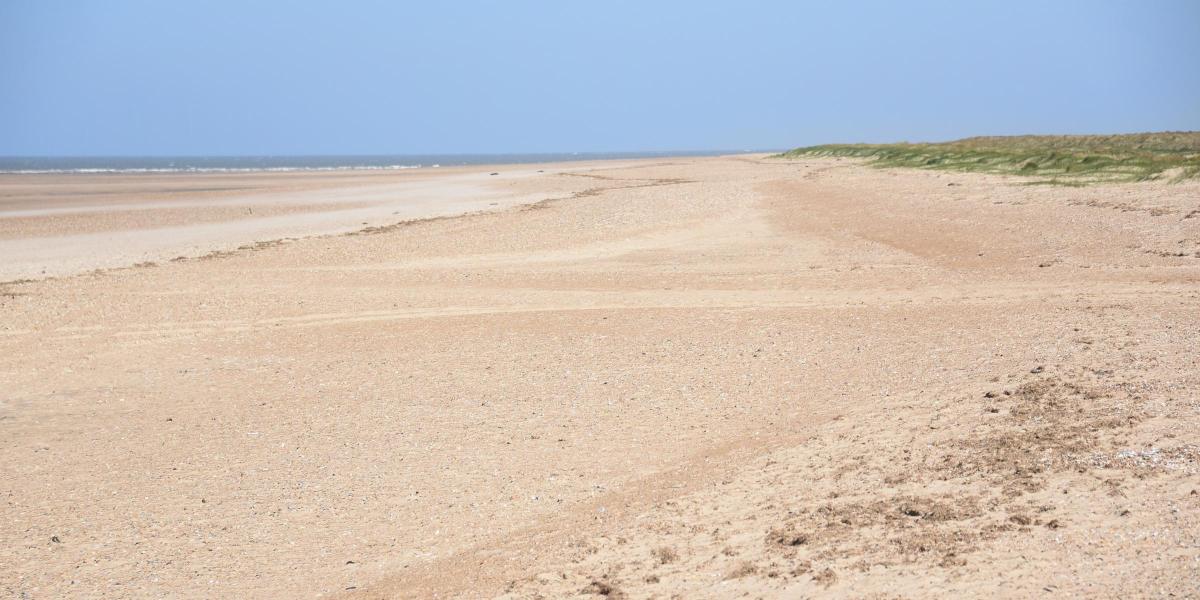
Thornham beach is reached by a 20-minute walk along the Norfolk Coast Path through salt marsh and dunes.
It feels wonderfully remote and usually stays quiet even in peak season.
With wide sands and no facilities, it is a favourite for walkers and dog owners hoping for space and solitude rather than a traditional resort‑style beach.
For those looking to make a day of it, they can stop by Thornham Deli or Drove Orchards for a shop and a bite to eat.
3. Cart Gap

Cart Gap Beach is a small, quiet stretch of sand accessed via a narrow lane.
The beach is used by locals who prefer a more low‑key, uncrowded alternative to the popular towns and villages.
Situated between the two more well-known beaches of Sea Palling and Happisburgh, it is described as an unspoilt gem
Just down the road, visitors can also explore Happisburgh and its famous red‑and‑white lighthouse.
4. Trimingham

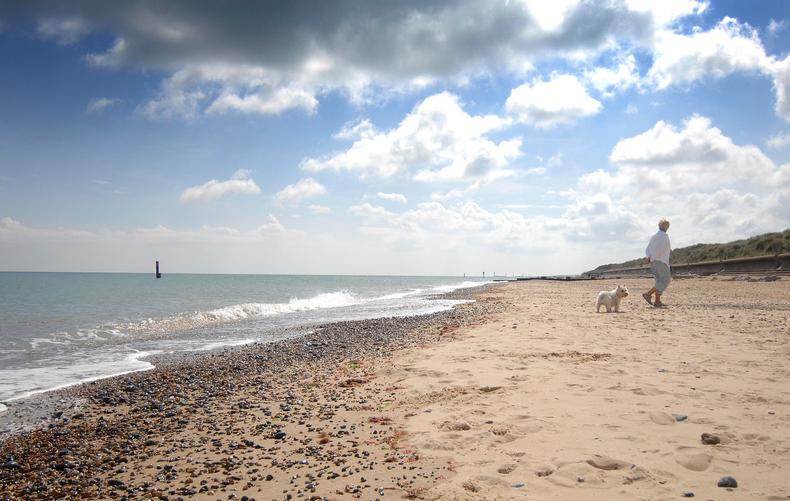
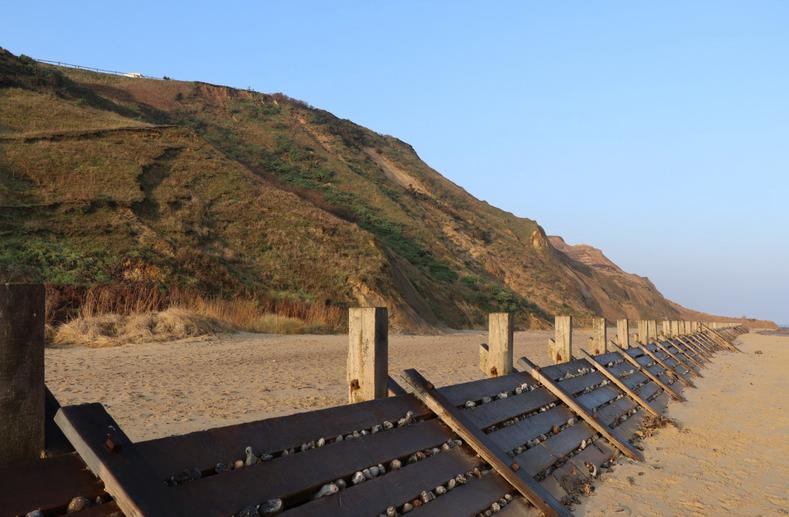
Trimingham beach is a cliff‑backed stretch of sand and shingle that feels quite tucked away.
It is a great spot for people who don’t mind the steep access in exchange for big views and fewer crowds and is a hotspot particularly with water sports enthusiasts.
The high cliffs at this coastal spot are made up of some of the youngest chalk in the UK, making it a good spot for fossil hunting and collecting shells.
5. Titchwell

Titchwell Beach sits at the seaward end of RSPB Titchwell Marsh, so getting there means taking a 20-minute walk along a path through reedbeds, lagoons and salt marsh.
The landscape then opens out on to a wide stretch of sand.
It feels remote and unspoilt with only a scattering of people, and most visitors are birdwatchers, walkers and nature‑lovers rather than bucket‑and‑spade crowds.
You still get a sense of history too, with the remains of a Second World War control tower and rusting tank hulks in the dunes, adding to the slightly rugged, atmospheric feel of the place.


Share